
Основное содержание
Что такое болт с шестигранной головкой?
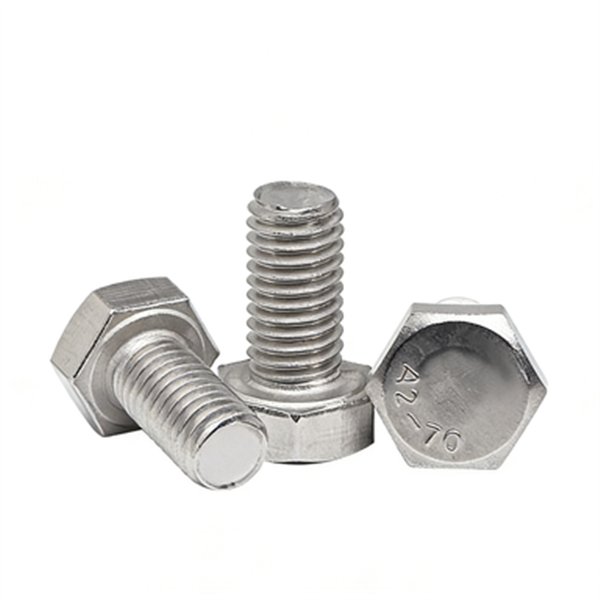
Болт с шестигранной головкой, также известный как болт с шестигранной головкой, представляет собой тип резьбового крепежа с шестигранной головкой, предназначенный для затягивания или ослабления с помощью гаечного ключа, торцевой головки или ударной отвертки. В отличие от винтов, которые обычно ввинчиваются в заранее нарезанные отверстия, болты с шестигранной головкой почти всегда используются с соответствующей гайкой для скрепления двух или более компонентов вместе.
Базовая конструкция шестигранного болта состоит из трех основных частей:
- Шестиугольная головка: Шестисторонняя ведущая поверхность, обеспечивающая превосходную передачу крутящего момента.
- хвостовик: часть тела болта без резьбы (может быть частично или полностью с резьбой).
- Резьбовая часть: Спиральные выступы, которые входят в зацепление с гайкой и создают силу зажима.
Болты с шестигранной головкой являются наиболее широко используемым типом болтов в промышленности из-за их простой конструкции, высокой прочности и простоты установки.
Как работают шестигранные болты & Их основные функции
Болты с шестигранной головкой преобразуют крутящий момент в линейную силу зажима. Когда вы поворачиваете головку болта или гайку, резьба стягивает два компонента вместе, создавая плотное соединение, устойчивое к разъединению, вибрации и силам сдвига.
Их основные функции в промышленном применении включают:
- Постоянное или полупостоянное соединение двух или более компонентов.
- Равномерное распределение зажимного усилия по поверхности соединения.
- Выдерживает как растягивающие (тянущие), так и сдвигающие (скользящие) нагрузки.
- Возможность разборки и сборки при необходимости технического обслуживания.
- Обеспечение стабильной и предсказуемой производительности в критически важных приложениях.
Распространенные типы шестигранных болтов
Болты с шестигранной головкой классифицируются по нескольким характеристикам, включая стиль головки, тип резьбы и покрытие. Вот наиболее распространенные типы, с которыми вы столкнетесь:
1. Стандартные болты с шестигранной головкой (полная резьба или неполная резьба)
- Полнорезьбовые болты с шестигранной головкой: Резьба проходит по всей длине хвостовика. Используется, когда гайку необходимо расположить в любом месте по длине болта или когда требуется максимальное зацепление резьбы.
- Болты с шестигранной головкой и частичной резьбой: Иметь хвостовик без резьбы. Хвостовик без резьбы обеспечивает лучшую прочность на сдвиг и предпочтителен для строительных конструкций, где болт подвергается боковым нагрузкам.
2. Тяжелые болты с шестигранной головкой.
Тяжелые болты с шестигранной головкой имеют большую и толстую головку, чем стандартные болты с шестигранной головкой, что обеспечивает большую опорную поверхность и более высокий крутящий момент. Они специально разработаны для структурных применений, таких как стальные конструкции, мосты и тяжелая техника.
3. Винты с шестигранной головкой.
Хотя их часто путают с болтами с шестигранной головкой, винты с шестигранной головкой имеют более точный размер головки и предназначены для ввинчивания непосредственно в резьбовые отверстия без гайки. Они обычно используются в машинах и оборудовании, где требуется чистый и законченный внешний вид.
4. Фланцевые шестигранные болты
Болты с шестигранной головкой с фланцем имеют встроенный фланец в форме шайбы под головкой, который распределяет зажимное усилие по большей площади. Это устраняет необходимость в отдельной шайбе и помогает предотвратить повреждение мягких поверхностей.
5. Винты с головкой под торцевой ключ.
Хотя технически это не болты с шестигранной головкой, винты с головкой под торцевой ключ часто упоминаются в том же контексте. Они имеют цилиндрическую головку с внутренним шестигранником и используются в условиях ограниченного пространства.
Материалы шестигранных болтов & Их свойства
Материал шестигранного болта напрямую определяет его прочность, коррозионную стойкость и температурную устойчивость. Вот наиболее распространенные используемые материалы:
| Материал | Уровень прочности | Коррозионная стойкость | Температурный диапазон | Типичные применения |
|---|---|---|---|---|
| Углеродистая сталь | 2, 5, 8 класс | Плохо (требуется покрытие) | -50°C to 250°C | Общее строительство, машиностроение, автомобилестроение |
| Нержавеющая сталь (304) | A2-70 | Хорошо | -200°C to 315°C | Пищевая промышленность, судостроение, химические заводы |
| Нержавеющая сталь (316) | A4-80 | Отлично (устойчив к соленой воде) | -200°C to 315°C | Береговые сооружения, морское оборудование, фармацевтика |
| Легированная сталь | 9 класс, 10.9, 12.9 | Плохо (требуется покрытие) | -50°C to 450°C | Приложения с высокими нагрузками, тяжелое машиностроение, аэрокосмическая промышленность. |
| Латунь | – | Хорошо | -200°C to 200°C | Электрические компоненты, сантехника, декоративные применения |
Ключевые отраслевые стандарты для болтов с шестигранной головкой
Болты с шестигранной головкой производятся в соответствии со строгими международными стандартами, что обеспечивает взаимозаменяемость и производительность. Наиболее распространенными стандартами являются:
- ISO 4014: Болты с шестигранной головкой – Классы изделий A и B (неполная резьба)
- ISO 4017: Болты с шестигранной головкой – Классы изделий A и B (полная резьба)
- ASTM A307: Болты и шпильки из углеродистой стали, прочность на растяжение 60, 000 psi.
- ASTM A325: Высокопрочные стальные болты для соединений стальных конструкций.
- ASTM A490: Болты из высокопрочной легированной стали для соединений стальных конструкций.
- DIN 931: Болты с шестигранной головкой – Классы изделий A и B (неполная резьба)
- DIN 933: Болты с шестигранной головкой – Классы изделий A и B (полная резьба)
При покупке болтов с шестигранной головкой всегда указывайте требуемый стандарт, чтобы обеспечить совместимость с существующими компонентами.
Болт с шестигранной головкой и другие распространенные крепежные детали: в чем разница?
Многие покупатели путают болты с шестигранной головкой с другим аналогичным крепежом. Вот ’ наглядное сравнение:
Болт с шестигранной головкой и винт с шестигранной головкой
- Шестигранный болт: Предназначен для использования с гайкой. Имеет немного больший допуск на головку.
- Винт с шестигранной головкой: Предназначен для ввинчивания в резьбовое отверстие. Имеет более точные размеры головки и шайбу под головку.
Болт с шестигранной головкой и болт с квадратным подголовком
- Шестигранный болт: Для поворота головки требуется гаечный ключ. Используется там, где доступен доступ к обеим сторонам соединения.
- Болт с квадратным подголовком: Имеет круглую голову с квадратным плечом, предотвращающим вращение. Используется там, где доступна только одна сторона соединения.
Болт с шестигранной головкой против болта с задержкой
- Шестигранный болт: используется с гайкой для соединения двух компонентов.
- Лаг болт: Имеет резьбу для шурупов по дереву и вкручивается непосредственно в древесину. Не требует гайки.
Шестигранный болт против машинного винта
- Шестигранный болт: Больший диаметр, более высокая прочность. Используется для тяжелых условий эксплуатации.
- Машинный винт: Меньший диаметр, меньшая прочность. Используется для более легких применений и обычно ввинчивается в резьбовые отверстия.
Где используются шестигранные болты (а где нет)
Болты с шестигранной головкой — это универсальные крепежные детали, используемые практически во всех отраслях промышленности. Вот их наиболее распространенные применения:
Идеальные приложения
- Металлоконструкции (здания, мосты, башни)
- Сборка тяжелой техники и оборудования
- Автомобильная и транспортная отрасли
- Трубопроводные и сантехнические системы
- Электрооборудование и панели управления
- Производство мебели
- Сельскохозяйственная техника
- Горнодобывающая и строительная техника
Области применения, в которых не рекомендуется использовать болты с шестигранной головкой
- Приложения, требующие заподлицо или потайной поверхности (вместо этого используйте болты с потайной головкой)
- Приложения, в которых доступна только одна сторона соединения (используйте болты с квадратным подголовком или стяжные болты)
- Применение при очень высоких температурах выше 450°C (используйте специальные жаропрочные сплавы)
- Области применения, требующие чрезвычайной коррозионной стойкости, превосходящей ту, которую может обеспечить нержавеющая сталь 316 (используйте титан или Hastelloy)
- Приложения, где требуется частая разборка и сборка (используйте быстроразъемные крепления).
Как правильно выбрать шестигранный болт для вашего проекта
Выбор подходящего болта с шестигранной головкой предполагает рассмотрение нескольких важных факторов. Следуйте этому пошаговому руководству:
Шаг 1: Определите необходимую прочность
- Рассчитайте ожидаемые растягивающие и сдвигающие нагрузки на соединение.
- Выберите марку болта, обеспечивающую достаточный коэффициент запаса прочности (обычно 3:1 для статических нагрузок, 5:1 для динамических нагрузок).
- Для строительных конструкций используйте болты ASTM A325 или A490.
- Для применений общего назначения обычно достаточно болтов из углеродистой стали класса 5 или 8.
Шаг 2: Выберите подходящий материал
- Учитывайте условия окружающей среды (коррозия, температура, химические вещества)
- Углеродистая сталь — наиболее экономичный выбор для сухих помещений внутри помещений.
- Нержавеющая сталь 304 подходит для большинства наружных и слабоагрессивных сред.
- Для прибрежных или морских условий требуется нержавеющая сталь 316.
- Легированная сталь необходима для работы в условиях высоких температур или высоких напряжений.
Шаг 3: выберите правильный размер
- Определите необходимый диаметр болта в зависимости от нагрузки
- Рассчитайте необходимую длину болта: длина захвата (толщина соединяемых материалов) + толщина гайки + толщина шайбы + 2-3 шага резьбы.
- Убедитесь, что при затягивании за пределы гайки выходят как минимум две полные резьбы.
- При использовании болтов с частичной резьбой убедитесь, что хвостовик без резьбы имеет достаточную длину, чтобы охватывать всю длину рукоятки.
Шаг 4. Выберите правильный тип резьбы
- Крупная резьба (UNC/UNF) прочнее и ее проще устанавливать.
- Мелкая резьба обеспечивает лучшее усилие зажима и снижает вероятность ослабления при вибрации.
- Метрическая резьба (M) является стандартной в большинстве международных применений.
Шаг 5: Рассмотрите качество поверхности
- Цинкование (прозрачное или желтое) обеспечивает базовую защиту от коррозии болтов из углеродистой стали.
- горячее оцинкование обеспечивает превосходную защиту от коррозии при использовании на открытом воздухе.
- черное оксидирование обеспечивает декоративную покрытие и мягкую защиту от коррозии.
- Болты из нержавеющей стали обычно не требуют дополнительного покрытия.
Критические факторы, которые следует учитывать при покупке болтов с шестигранной головкой
Помимо основных характеристик, при покупке болтов с шестигранной головкой следует учитывать несколько важных факторов:
- Сертификация: Всегда запрашивайте сертификаты на материалы и отчеты об испытаниях, особенно для критически важных применений.
- Качество резьбы: Плохо нарезанная резьба может привести к истиранию, заеданию и снижению силы зажима.
- Качество головы: Убедитесь, что головка имеет правильную форму и не имеет трещин и дефектов.
- Согласованность партии: Ищите поставщиков, которые могут обеспечить стабильное качество для нескольких партий.
- Время выполнения: Учитывайте время выполнения заказов на специальные размеры, материалы или покрытие.
- Минимальное количество заказа: Некоторые поставщики устанавливают высокие минимальные объемы заказа нестандартных товаров.
- Совместимость: Убедитесь, что болты совместимы с гайками и шайбами, которые вы будете использовать.
Распространенные ошибки, которых следует избегать при использовании шестигранных болтов
Даже опытные покупатели допускают следующие распространенные ошибки при выборе и использовании болтов с шестигранной головкой:
- Использование неправильного класса прочности: Использование болта более низкого качества, чем требуется, может привести к катастрофическому выходу из строя.
- Чрезмерное затягивание: Чрезмерная затяжка может растянуть болт за пределы предела текучести, что приведет к его выходу из строя.
- Недостаточная затяжка: Недостаточная затяжка может привести к ослаблению соединения под действием вибрации.
- Смешивание материалов: Смешивание разнородных металлов может привести к гальванической коррозии.
- Использование неправильной длины: Слишком короткие болты могут не обеспечить достаточного зацепления резьбы; слишком длинные болты могут мешать другим компонентам
- Повторное использование болтов: Высокопрочные болты нельзя использовать повторно, поскольку они могут потерять предварительную нагрузку и прочность.
- Игнорирование защиты от коррозии: Неспособность обеспечить адекватную защиту от коррозии может привести к преждевременному выходу болта из строя.
Ключевые выводы
- Болт с шестигранной головкой — это резьбовое соединение с шестью головками, используемое с гайкой для соединения двух или более компонентов, обеспечивающее превосходную передачу крутящего момента и усилие зажима.
- Наиболее важными факторами при выборе болта с шестигранной головкой являются класс прочности, материал, размер, тип резьбы и качество поверхности.
- Болты с шестигранной головкой идеально подходят для строительных конструкций, тяжелого машиностроения и общего промышленного использования, но не рекомендуются для покрытие заподлицо или одностороннего доступа.
- Всегда соблюдайте соответствующие требования к моменту затяжки и избегайте повторного использования высокопрочных болтов, чтобы обеспечить целостность соединения.
- Приобретайте продукцию у надежных поставщиков, которые могут обеспечить сертификацию и стабильное качество, особенно для критически важных приложений.
Часто задаваемые вопросы
Вопрос: В чем разница между шестигранными болтами класса 5 и класса 8?
A: Болты класса 5 имеют предел прочности на разрыв 120,000 psi и подходят для большинства применений общего назначения. Болты класса 8 имеют предел прочности на разрыв 150,000 psi и используются в условиях высоких напряжений, где требуется более высокая прочность. Болты класса 8 имеют шесть радиальных линий на головке, а болты класса 5 — три.
Вопрос: Могу ли я использовать гайку из нержавеющей стали с болтом из углеродистой стали?
О: Хотя это технически возможно, но не рекомендуется. Смешивание разнородных металлов может привести к гальванической коррозии, особенно во влажной или агрессивной среде. По возможности всегда используйте гайки и болты, изготовленные из одного и того же материала.
Вопрос: Насколько резьба должна выходить за пределы гайки?
О: Как правило, при полной затяжке болта за пределы гайки должны выходить как минимум две полные витки резьбы. Это гарантирует полное зацепление гайки и максимальную силу зажима. Более трех витков резьбы, выходящих за пределы гайки, обычно не нужны и могут мешать работе других компонентов.
Вопрос: Могу ли я повторно использовать шестигранные болты?
О: Стандартные болты из углеродистой стали (класса 2, 5) можно использовать повторно ограниченное количество раз, если они не повреждены и не растянуты. Однако высокопрочные конструкционные болты (ASTM A325, A490) никогда не следует использовать повторно, поскольку они предназначены для затяжки до предела текучести и при повторном использовании теряют предварительную нагрузку и прочность.
Вопрос: В чем разница между горячеоцинкованными и оцинкованными шестигранными болтами?
Ответ: Цинкование образует тонкое декоративное покрытие, обеспечивающее базовую защиту от коррозии при использовании внутри помещений. горячее оцинкование обеспечивает гораздо более толстое покрытие, обеспечивающее превосходную защиту от коррозии при эксплуатации на открытом воздухе и в суровых условиях. Болты, оцинкованные горячим способом, также более долговечны и устойчивы к царапинам, чем оцинкованные болты.
Заключение
Болты с шестигранной головкой — это «рабочие лошадки» в мире промышленного крепежа, обеспечивающие надежную работу в широком спектре применений. Понимая, что такое болт с шестигранной головкой, его различные типы, материалы и стандарты, вы сможете принимать обоснованные решения, которые обеспечат безопасность и долговечность ваших проектов.
При выборе болтов с шестигранной головкой всегда начинайте с определения требуемой прочности и условий окружающей среды. Выберите подходящий материал и сорт, затем рассчитайте правильный размер и длину. Не забывайте учитывать качество поверхности и совместимость с гайками и шайбами.
Самое главное, покупайте у надежного поставщика, который может предоставить высококачественную сертифицированную продукцию. Срезание углов крепежных элементов никогда не стоит риска, поскольку один вышедший из строя болт может привести к дорогостоящему простою, повреждению оборудования или даже травме.
Если вы ’ все еще не уверены, какой болт с шестигранной головкой подойдет для вашего конкретного применения, проконсультируйтесь со специалистом по крепежным деталям, который может предоставить экспертную консультацию с учетом ваших уникальных требований.
 English
  Español
  Français
  Español de México
  العربية
  Deutsch
  Русский
  Tiếng Việt
  Bahasa Indonesia
  Italiano
  简体中文
简体中文