
Введение
Выбор неправильной марки болта может привести к катастрофическим отказам, дорогостоящим простоям и серьезным угрозам безопасности. Тем не менее, многие покупатели и даже некоторые инженеры по-прежнему выбирают болты, основываясь исключительно на размере и цене, не до конца понимая, что на самом деле означают марки болтов.
В этом руководстве вы узнаете все, что вам нужно знать о марках болтов: что обозначают цифры, как сравниваются разные марки, какие приложения требуют каких уровней прочности, а также критические факторы, которые вы должны учитывать перед покупкой. К концу вы сможете уверенно выбрать подходящий класс болтов для любого проекта.
Основное содержание
Что такое класс болта?
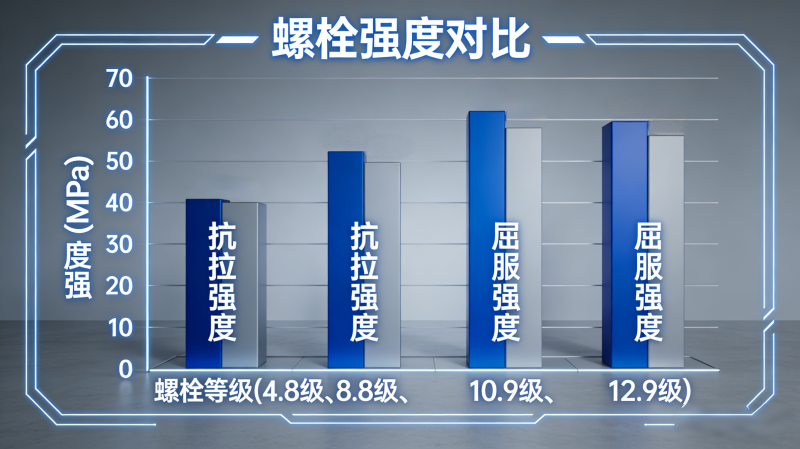
Класс болта — это стандартизированная система, которая указывает механические свойства болта’, в первую очередь его предел прочности, предел текучести и твердость. Он показывает, какую нагрузку может безопасно выдержать болт, прежде чем он деформируется или сломается.
Классы не являются произвольными числами — они определяются международными организациями по стандартизации, включая ISO (Международная организация по стандартизации) для метрических болтов и SAE (Общество инженеров автомобильной промышленности) для дюймовых болтов. Каждая марка соответствует определенному составу материалов и процессам термообработки.
Важное примечание: Марка болта измеряет только прочностные характеристики. Он не указывает на коррозионную стойкость, температурную устойчивость или другие эксплуатационные характеристики, которые необходимо рассматривать отдельно.
Общие сведения о метрических марках болтов (ISO 898-1)
В метрических болтах используется двухзначная система, разделенная десятичной точкой (например, 4,6, 8.8, 10.9). Это наиболее распространенная система, используемая во всем мире в промышленности.
- Первое число × 100 = приблизительная прочность на разрыв в МПа.
- Десятичная дробь × 10 = отношение предела текучести к пределу прочности (выражено в процентах).
- Умножьте два числа на 10 = приблизительный предел текучести в МПа.
Распространенные метрические марки болтов и их свойства
| Оценка | Предел прочности (МПа) | Предел текучести (МПа) | Материал | Типичные применения |
|---|---|---|---|---|
| 4.6 | 400 | 240 | Низкоуглеродистая сталь | Соединения общего назначения, некритичные соединения, мебель, ограждения |
| 5.8 | 500 | 400 | Низкоуглеродистая сталь | Легкая техника, сельскохозяйственная техника, неконструктивные компоненты |
| 8.8 | 800 | 640 | Среднеуглеродистая сталь, закаленная и отпущенная. | Наиболее распространенный промышленный сорт, стальные конструкции, машиностроение, автомобилестроение. |
| 10.9 | 1000 | 900 | Легированная сталь, закаленная и отпущенная | Тяжелая техника, высоконагруженные соединения, мосты, строительная техника |
| 12.9 | 1200 | 1080 | Легированная сталь, закаленная и отпущенная | Экстремально высокие нагрузки, аэрокосмическая промышленность, гоночные компоненты, подъем тяжестей. |
Общие сведения о марках болтов (SAE J429)
В имперских болтах используется числовая система с решетками на головке болта для идентификации. Более высокие цифры указывают на более высокую прочность.
Распространенные марки дюймовых болтов и их свойства
| Оценка | Маркировка головы | Предел прочности (psi) | Предел текучести (psi) | Материал | Типичные применения |
|---|---|---|---|---|---|
| 2 класс | Нет оценок | 60,000 | 36,000 | Низкоуглеродистая сталь | Универсальные, некритичные соединения |
| 5 класс | 3 радиальные линии | 120,000 | 92,000 | Среднеуглеродистая сталь, закаленная и отпущенная. | Автомобильная, общепромышленная, конструкционная |
| 8 класс | 6 радиальных линий | 150,000 | 130,000 | Легированная сталь, закаленная и отпущенная | Тяжелые условия эксплуатации и высокие нагрузки |
Марки болтов из нержавеющей стали
В болтах из нержавеющей стали используется другая система классификации в зависимости от состава их материала. Их выбирают в первую очередь из-за коррозионной стойкости, а не только прочности.
- A2-70 (304 Нержавеющая сталь): Самая распространенная марка нержавеющей стали. Хорошая коррозионная стойкость в большинстве сред. 70 означает предел прочности на разрыв 700 MPa.
- A4-70 (316 Нержавеющая сталь): Превосходная коррозионная стойкость, особенно в морской и хлоридной среде. Такая же сила, как у A2-70.
- A2-80 / A4-80: Более прочные версии вышеперечисленных, достигнутые за счет холодной обработки.
7 критических факторов, определяющих, какой класс болта вам нужен
Выбор подходящей марки болта заключается не в выборе самого прочного из доступных, а в том, чтобы подобрать прочность болта ’ к фактическим требованиям вашего применения.
1. Приложенная нагрузка
Это самый важный фактор. Рассчитайте статические и динамические нагрузки, которые будут действовать на болт.
- Статические нагрузки: Постоянные, неизменные силы. Более низких оценок может быть достаточно.
- Динамические нагрузки: Повторяющиеся, колеблющиеся или ударные силы. Требуйте более высоких марок (8.8 и выше) для предотвращения усталостного разрушения.
- Ударные нагрузки: Внезапные, мощные силы. Требуются высшие сорта (10.9 или 12.9) и надлежащий контроль крутящего момента.
2. Фактор безопасности
Всегда применяйте соответствующий коэффициент безопасности при расчете нагрузки.
- Общепромышленное применение: от 3:1 до 5:1.
- Критические структурные применения: от 5:1 до 10:1.
- Подъемные и такелажные операции: минимум 5:1, часто 10:1 или выше.
3. Температура
Экстремальные температуры существенно влияют на характеристики болтов.
- Высокие температуры (>200°C): Стандартные болты из углеродистой стали теряют прочность. Используйте болты из легированной стали, рассчитанные на высокие температуры.
- Низкие температуры (<-20°C): Углеродистая сталь становится хрупкой. Используйте низкотемпературную легированную сталь или нержавеющую сталь.
4. Коррозионная среда
Коррозия уменьшает эффективную площадь поперечного сечения болта, что приводит к преждевременному выходу из строя.
- Мягкая внутренняя среда: болты из углеродистой стали с соответствующим покрытием.
- На открытом воздухе или во влажной среде: оцинкованные или горячеоцинкованные болты.
- Морская или химическая среда: A4-70 (316) нержавеющая сталь или более высокие сплавы.
5. Тип соединения
- Срезные соединения: Болты нагружены перпендикулярно своей оси. Прочность на сдвиг составляет примерно 60% от прочности на разрыв.
- Натяжные соединения: Болты нагружены вдоль своей оси. Прочность на растяжение является основным фактором.
- Комбинированная загрузка: Силы сдвига и растяжения. Используйте более высокие марки и проверьте оба требования к прочности.
6. Требования к крутящему моменту и предварительной нагрузке
Болты более высокого качества можно затягивать с более высокими значениями крутящего момента, создавая больший предварительный натяг. Это критично для соединений, которые должны оставаться герметичными при динамических нагрузках.
- Класс 4.6: Ограниченная крутящая способность.
- Марка 8.8: отличные характеристики крутящего момента и преднатяга.
- Марки 10.9 и 12.9: требуют точного контроля крутящего момента во избежание чрезмерного затягивания и разрушения.
7. Соображения стоимости
Болты более высокого класса стоят дороже из-за более качественных материалов и дополнительной обработки.
- Не переусердствуйте: использование болта 12.9 там, где достаточно болта 8.8, — пустая трата денег.
- Не занижайте цену: стоимость неисправного болта почти всегда намного выше, чем стоимость подходящего болта.
Распространенные ошибки, которых следует избегать
1. Предполагать, что более высокая оценка всегда лучше
Более прочные болты более хрупкие и более подвержены водородному охрупчиванию и коррозионному растрескиванию под напряжением. В некоторых случаях болт более низкого качества с большей пластичностью на самом деле безопаснее.
2. Смешение марок болтов в одном соединении
Никогда не используйте болты разных классов в одном и том же соединении. Они будут распределять нагрузку неравномерно, что приведет к преждевременному выходу из строя более слабых болтов.
3. Игнорирование отметин на голове
Всегда проверяйте головку болта на наличие маркировки класса. Болты без маркировки обычно относятся к метрическому классу 4,6 или дюймовому классу 2, и их никогда не следует использовать в критически важных случаях.
4. Путаница класса болта с коррозионной стойкостью
Болт из высококачественной углеродистой стали ржавеет так же быстро, как и из низкосортной. Коррозионная стойкость зависит от материала и обработки поверхности, а не от марки.
5. Чрезмерная затяжка высококачественных болтов.
Болты марок 10.9 и 12.9 имеют очень небольшое удлинение перед разрушением. Чрезмерное затягивание может привести к тому, что они внезапно и без предупреждения сломаются. Всегда используйте калиброванный динамометрический ключ.
Пошаговый процесс выбора марки болта
Следуйте этому простому процессу, чтобы выбрать подходящий класс болта для любого применения:
- Рассчитать максимальную нагрузку которое будет применено к каждому болту
- Примените соответствующий коэффициент безопасности в зависимости от критичности приложения
- Определите необходимую прочность на растяжение и сдвиг.
- Выберите наименьший класс болта который соответствует или превосходит эти требования к прочности
- Проверьте производительность при ожидаемой температуре и условиях коррозии
- При необходимости отрегулируйте по особым соображениям (усталость, воздействие и т. д.)
- Укажите правильную обработку поверхности для защиты от коррозии
Ключевые выводы
- Марка болта указывает на свойства механической прочности, определенные международными стандартами.
- В метрических классах используется двухзначная система (например, 8.8), тогда как в британских классах используются числовые классы с маркировкой головки.
- Правильная марка болта соответствует требованиям к реальной нагрузке применения’, а не максимальной доступной прочности.
- Помимо прочности всегда учитывайте температуру, коррозию и тип соединения.
- Использование болтов неправильной марки может привести к катастрофическому отказу и угрозе безопасности.
- Следуйте систематическому процессу отбора и никогда не полагайтесь только на догадки или цену.
Часто задаваемые вопросы
Вопрос: Какая марка болтов наиболее часто используется в промышленности?
A: Метрические болты класса 8.8 и дюймовые болты класса 5 являются наиболее широко используемыми промышленными классами общего назначения. Они предлагают превосходный баланс прочности, пластичности и стоимости для большинства применений.
Вопрос: Могу ли я использовать болт более высокого класса вместо болта более низкого?
О: В целом да, но это не всегда рекомендуется. Болты более высокого качества более дорогие, более хрупкие и могут потребовать специальных процедур затяжки. В некоторых случаях они действительно могут вызвать проблемы из-за чрезмерной нагрузки на компоненты, к которым они присоединяются.
Вопрос: В чем разница между болтами 8.8 и 10.9?
A: Болты 10.9 имеют на 25% более высокую прочность на разрыв и на 40% более высокий предел текучести, чем болты 8.8. Они используются в приложениях с более высокими нагрузками или там, где важна экономия веса. Однако они более хрупкие и более восприимчивы к водородному охрупчиванию.
Вопрос: Болты из нержавеющей стали прочнее болтов из углеродистой стали?
О: Нет. Стандартные болты A2-70 и A4-70 из нержавеющей стали имеют примерно такую же прочность, как и болты из углеродистой стали класса 4.6. Их выбирают из-за их коррозионной стойкости, а не прочности.
Вопрос: Как определить класс болта?
О: Всегда проверяйте головку болта. Метрические болты имеют номер класса, выбитый на головке. Британские болты имеют радиальные линии, соответствующие их марке. Следует считать, что немаркированные болты относятся к самому низкому классу и не используются в ответственных применениях.
Заключение
Выбор правильной марки болта — это важнейшее инженерное решение, которое напрямую влияет на безопасность, надежность и экономическую эффективность вашего проекта. Это требует понимания того, что представляют собой марки болтов, расчета фактических нагрузок в вашем приложении и учета всех соответствующих факторов окружающей среды.
Помните, что цель состоит не в том, чтобы использовать самый прочный болт, а в том, чтобы использовать тот болт, который подходит для данной работы. Слишком слабый болт выйдет из строя преждевременно, а излишне прочный болт приведет к пустой трате денег и может создать свои собственные проблемы.
В случае сомнений всегда соблюдайте осторожность и проконсультируйтесь с квалифицированным инженером. Небольшие дополнительные затраты на использование болтов правильной марки незначительны по сравнению с потенциальными затратами на повреждение оборудования, простои или травмы, вызванные выходом из строя болта.
Если вам нужна помощь в выборе подходящих болтов для вашего конкретного проекта или вы хотите запросить цену на высококачественные промышленные крепежные детали, наша техническая команда всегда готова помочь вам.
 English
  Español
  Français
  Español de México
  العربية
  Deutsch
  Русский
  Tiếng Việt
  Bahasa Indonesia
  Italiano
  简体中文
简体中文